
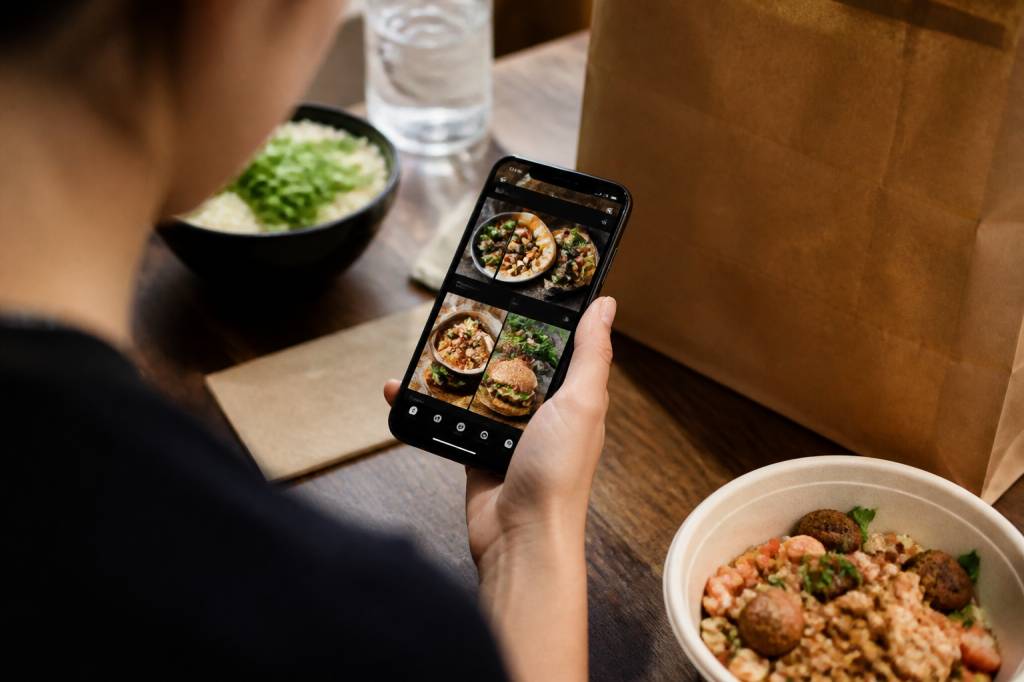
If you run a restaurant, you already know the hard truth: great food is not enough. If people cannot find you, they cannot order from you. And on Uber Eats, visibility is not a nice-to-have; it is the difference between a quiet kitchen and a steady stream of orders.
That is where Uber Eats ads come in. Used well, they can put your restaurant in front of hungry users at exactly the right moment, when they are scrolling, comparing, and deciding what to eat. Used badly, they can burn budget without moving the needle. The good news? A smart ad strategy is not complicated. It just needs focus, discipline, and a clear understanding of how customers behave on delivery apps.
In this article, we will break down practical Uber Eats ads strategies to improve restaurant visibility, attract more orders, and make your ad spend work harder. No vague theory. No marketing fluff. Just tactics you can apply.
Why visibility on Uber Eats matters more than ever
Uber Eats is not just a delivery platform. It is a search engine for food. Customers do not browse forever. They search, scan images, read a few reviews, compare prices, and make fast decisions. If your restaurant is buried too far down the list, you are effectively invisible.
That is why visibility is so valuable. More visibility means more clicks. More clicks mean more orders. And more orders can improve your ranking signals over time, creating a loop that rewards strong performance. In other words, ads are not only about buying attention. They can also help you generate the activity that makes your restaurant stronger organically.
Think of it like opening a new branch on the busiest street in town instead of down a side alley. Same food, very different foot traffic.
Start with the basics: make your listing worth clicking
Before spending a single pound on ads, look at your restaurant profile. If your listing is weak, ads will only accelerate the wrong impression. You may get clicks, but not conversions. And paying to attract people who do not order is a fast way to disappoint your finance spreadsheet.
Make sure these elements are solid:
One restaurant can spend thousands on ads while another gets better results with a simple profile refresh. Why? Because customers buy with their eyes first. If your burger looks dry and your sushi rolls look like they lost a fight, no ad targeting can save you.
Use Uber Eats ads to promote your best-selling items first
One of the most effective strategies is to avoid promoting your entire menu equally. Not every dish is an ad hero. Some items sell naturally. Others need a push. Focus on products with the highest chance of converting.
Start with dishes that already perform well, have good margins, and photograph beautifully. These are your leverage points. If customers consistently reorder your spicy chicken box or signature pizza, those should be front and center in your campaigns.
This approach works because it reduces friction. Customers see a proven favorite, recognize value quickly, and are more likely to order. You are not asking them to take a risk on something unknown. You are helping them choose faster.
Target the right moments, not just the right audience
In food delivery, timing is everything. A brilliant ad shown at 10 a.m. to someone thinking about coffee might work for a café, but not for a burger restaurant. Visibility increases when your ads appear during actual hunger moments.
Look at your order data and identify peak demand windows. These are usually lunch, dinner, late evening, and sometimes weekends. Then align your ad spend with those periods. If your budget is limited, do not spread it thin across the whole day. Concentrate it where conversion rates are highest.
Also consider weather, local events, and payday cycles. Rainy evenings can boost delivery orders. Sports events can drive group orders. End-of-month timing can affect price sensitivity. Smart advertisers do not just buy impressions. They buy context.
Bid smarter by focusing on high-intent placements
Uber Eats ads work best when they place your restaurant where people are already ready to act. High-intent users are the gold standard. They are not browsing for entertainment. They are hungry and looking to order now.
When setting up campaigns, prioritize placements that increase your chance of appearing in search results, category pages, and featured sections where purchase intent is strongest. The goal is not to impress everyone. The goal is to show up in front of the people most likely to tap “Add to basket.”
A useful rule: if a placement delivers lots of views but weak order volume, it is probably not worth your budget. Visibility only matters when it leads somewhere useful.
Use promotions to support ad performance
Ads and promotions work especially well together. A strong ad gets attention. A smart promotion removes hesitation. Together, they can significantly improve conversion rates.
Consider using:
For example, if your restaurant is trying to increase weekday orders, a “10% off Tuesdays” campaign promoted through Uber Eats ads can create a clear reason to order now instead of later. This is much better than hoping customers feel spontaneous generosity toward your margins.
Just be careful not to train customers to expect discounts all the time. Promotions should support your strategy, not become the strategy.
Test different creatives and learn fast
Restaurants often assume one good image is enough. It is not. Creative testing matters because small changes can produce meaningful differences in click-through and conversion rates.
Test variations of:
For example, a campaign for a Mediterranean restaurant might perform better with a bright image of a mixed mezze platter than with a generic photo of the storefront. Why? Because the platter communicates variety, freshness, and value in one glance.
Do not guess forever. Run tests, track results, and cut weak performers quickly. Good digital strategy is not about being artistic. It is about being useful.
Optimize for conversion, not vanity metrics
It is easy to get distracted by impressions and clicks. Those numbers are comforting. They look active. They feel like progress. But visibility is only meaningful if it leads to orders and revenue.
Track the metrics that matter:
If your ad brings traffic but customers leave before checkout, the issue may not be the ad itself. It could be pricing, delivery fees, menu structure, or lack of trust signals. In that case, the smartest move is not to increase the budget. It is to remove friction.
A restaurant with a lower click volume but higher conversion rate is often in a stronger position than one with lots of empty attention. The cash register does not reward “almost ordered.”
Improve your menu architecture for ad traffic
When ads increase traffic, your menu has to do some of the heavy lifting. If customers arrive and face a confusing list of items, too many choices, or poorly organized categories, you lose momentum.
Think like a user. Group your menu logically. Put popular dishes near the top. Keep item names clear and descriptive. Add concise notes on ingredients, spice level, or portion size when helpful. And if a dish is especially profitable or popular, make it easy to find.
Good menu structure improves the odds that ad traffic becomes revenue. It also helps customers feel confident. And confidence sells food faster than fancy wording ever will.
Use reviews as part of your visibility strategy
Reviews are not separate from ads. They influence whether ad clicks become orders. A strong ad might bring someone to your page, but reviews help close the sale.
Encourage satisfied customers to leave feedback. Respond professionally to both praise and complaints. If a negative review highlights a recurring issue, fix it quickly. Nothing kills conversion like a pattern of “great food, terrible packaging” or “tasty but arrived cold.”
When your review profile is strong, your ads work harder. Customers are more likely to trust you, and trust shortens the decision process. On delivery platforms, less hesitation usually means more orders.
Match ad spend to restaurant capacity
More visibility sounds great until the kitchen gets overwhelmed. A common mistake is scaling ads faster than the team can handle demand. That leads to delays, quality issues, and unhappy customers. In delivery, one bad rush can damage momentum for days.
Before increasing ad spend, ask a simple question: can your kitchen, packaging, and delivery operations keep up?
If the answer is yes, scale gradually. If the answer is no, fix operations first. Visibility only pays off when the experience behind it is reliable. Otherwise, you are just advertising a bottleneck.
Look for patterns by location and time
If you have multiple locations or a broad delivery area, do not treat every zone the same. Some neighborhoods may respond better to lunch offers. Others may perform better in the evening. Different areas can have different price sensitivity, cuisine preferences, and ordering habits.
Use performance data to spot these patterns. Then tailor your ads accordingly. A location-specific strategy can be much more effective than running one generic campaign across all areas.
This is where restaurant marketing gets smarter. Instead of saying, “Let’s spend more,” you ask, “Where, when, and why is spend most effective?” That mindset saves money and improves results.
Build a simple repeatable ad routine
You do not need a complicated system to win on Uber Eats. You need consistency. A practical routine might look like this:
This type of routine keeps your campaigns sharp without requiring endless management. The more disciplined your process, the easier it becomes to spot what works and scale it with confidence.
And yes, this is less exciting than chasing viral marketing ideas. But restaurants do not need hype. They need orders.
Make Uber Eats ads part of a bigger visibility system
Uber Eats ads are powerful, but they work best when they are part of a larger system. That system includes strong visuals, a well-structured menu, competitive offers, positive reviews, and reliable operations. When all of these pieces align, ads become an amplifier rather than a patch.
The restaurants that win on delivery platforms are usually not the loudest. They are the most consistent. They know what they sell best, when customers are most likely to order, and how to remove friction at every step.
If you want more visibility, focus on the fundamentals first, then use ads to scale what already works. That is how you move from occasional orders to dependable demand.
And in a marketplace where attention is scarce and competition is fierce, that edge matters more than ever.